
Sleep Health

Sleep is a biological necessity, essential for a healthy and fulfilling life. A third of adults in the United States do not get the recommended amount of sleep, which is linked to serious health conditions such as type 2 diabetes, heart disease, obesity, and depression. Lack of sleep can also increase the risk of car accidents, workplace errors, and injuries. Quality sleep revitalizes the mind and body, helping you perform at your best. Just like eating nutritious foods and being physically active, getting adequate sleep allows your other healthy choices to make a difference. This page offers practical resources and tips to help you rest better and support your overall well-being.

Why Is Sleep Important?

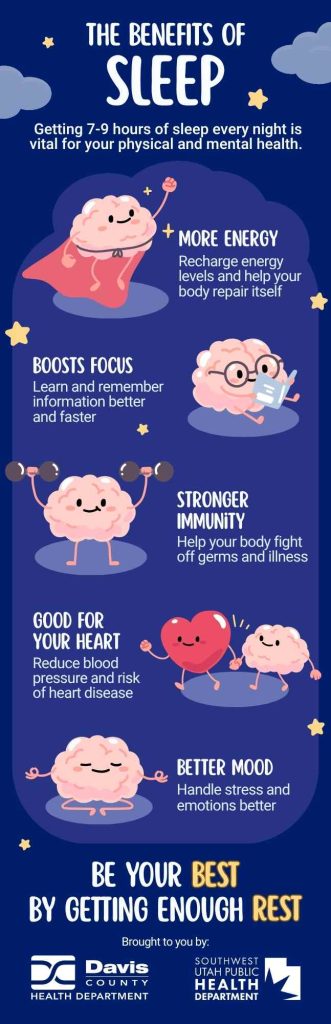
Sleep is essential for overall well-being. Getting enough sleep affects your physical health, brain function, and emotional health.

Physical Health:

  • Sleep helps your body repair and restore itself.
  • Strengthens the immune system.
  • Regulates hormones.
  • Reduces the risk of chronic conditions like heart disease, obesity, and diabetes.

Cognitive Function:

  • A well-rested brain focuses better and thinks faster.
  • Improves attention, reaction time, problem-solving, and creativity.
  • Sleep helps convert new information into long-term memory.

Mental and Emotional Health:

  • Sleep helps process information and manage emotions.
  • Improves decision-making and coping skills.
  • Lack of sleep can increase irritability, stress, anxiety, and risk of depression.
What Is Adequate Sleep?

Adequate sleep means both the hours slept and the quality of sleep.

The recommended sleep varies by age: 

Age Range

Recommended Sleep Duration

Infants & Toddlers (0-3 years)11-14 hours (includes naps)
Children & Adolescents (4-18 years)9-10 hours
Adults (19-64 years)7-9 hours
Older Adults (65+ years)7-8 hours

Good quality sleep includes:

  • Falling asleep within 30 minutes.
  • Waking up no more than once per night and returning to sleep within 20 minutes.
  • Feeling rested and energized in the morning.
Who Is Affected by Poor Sleep?

Many people do not get enough sleep, which can be detrimental to their health and well-being.

In the United States:

  • 35% of adults sleep less than 7 hours per night.
  • 14.5% have trouble falling asleep.
  • 17.8% have trouble staying asleep.
  • 25% experience daytime sleepiness.

This data highlights the need to educate and empower people to prioritize sleep. Being intentional about sleep means making conscious choices to improve both duration and quality of sleep.

How Can I Sleep Better?

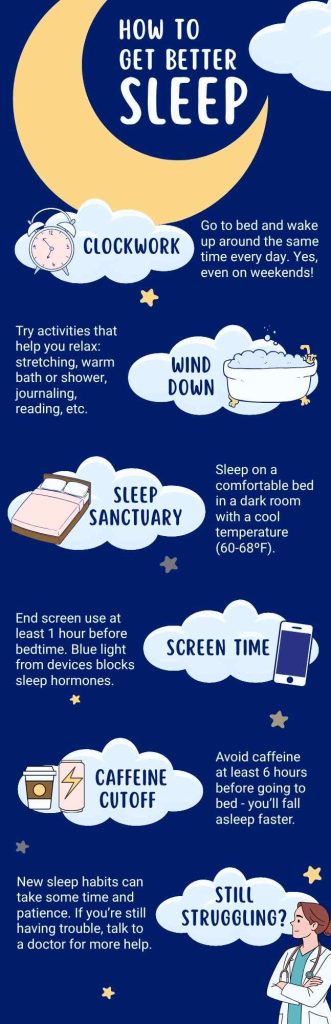
Many well-studied practices can help you get a more restful night. Here are five helpful sleep strategies:

1 – Consistent Schedule

Go to bed and wake up at the same time every day, even on weekends. This helps regulate your body’s internal clock and makes it easier to fall asleep.

2 – Sleep Sanctuary (Optimized Sleep Environment)

Create a bedroom that promotes sleep:

  • Keep the room dark using curtains or an eye mask.
  • Minimize noise and distractions.
  • Use a supportive mattress and pillow, and soft bedding.
  • Keep it cool, between 60–68°F (16–20°C).

3 – Daytime Habits

  • Stay active during the day to promote deeper sleep.

  • Spend at least 15 minutes outside in natural light.

  • Avoid long or late naps.

4 – Minimize Sleep Disrupters

  • Certain substances and habits can make it harder to fall or stay asleep:
  • Limit caffeine, alcohol, and nicotine several hours before bedtime.
  • Finish large, heavy, or spicy meals 2–3 hours before bed.

5 – Relaxing Bedtime Routine

At least 30 minutes before bed, try one or more of these: 

  • Turn off electronics and put away your phone.
  • Take a warm bath or shower.
  • Listen to relaxing music.
  • Write down any thoughts from the day.
  • Try calming activities like reading or meditation.
Where Can I Find Help for Insomnia?

If you have ongoing trouble sleeping, support is available. One of the most effective treatments for insomnia is Cognitive Behavioral Therapy for Insomnia (CBT-I).

What Is CBT-I?

CBT-I is a structured, evidence-based program that improves sleep by changing thoughts and behaviors that interfere with rest.

It focuses on:

  • Building healthy sleep habits and routines.
  • Creating a sleep-supportive environment.
  • Identifying thoughts that contribute to sleep difficulties.
  • Replacing unhelpful beliefs with healthier thinking patterns.

Because thoughts and habits are learned, they can also be changed. Many people experience lasting sleep improvement through CBT-I.

Thought Reframing

The cognitive portion of CBT-I helps you recognize and adjust thoughts that affect sleep:

  1. Learn accurate information about sleep.
  2. Write down negative sleep-related thoughts when they occur.
  3. Review those thoughts later and identify inaccuracies.
  4. Replace them with more realistic and supportive thoughts.

Helpful Tip: Track Your Sleep

Tracking sleep patterns is often the first step in CBT-I. A sleep diary can help you identify habits or thoughts that may interfere with sleep quality.

A sleep diary is available through the VA insomnia program.

Free CBT-I Resource

The U.S. Department of Veterans Affairs offers a free, self-paced online CBT-I program. Visit the VA Insomnia Program:
veterantraining.va.gov/insomnia

    When Should I Talk to a Doctor?

    Improving sleep habits takes time and patience. While lifestyle changes can improve sleep, they may not fully resolve chronic or serious sleep problems.

    Consider talking with a healthcare provider or sleep specialist if you:

    • Have ongoing trouble falling asleep or staying asleep.

    • Feel tired during the day despite getting enough sleep.

    • Experience sleep problems that last several weeks or longer.

    • Notice sleep issues affecting work, school, or daily activities.

    Persistent sleep difficulties may be a sign of an underlying sleep disorder that requires professional evaluation and treatment. A healthcare provider can help identify the cause of sleep problems and recommend appropriate treatment options.

    Learn more about sleep health from the Johns Hopkins Medicine website.

      Bookmarks (pdf, for print):

      English (download)
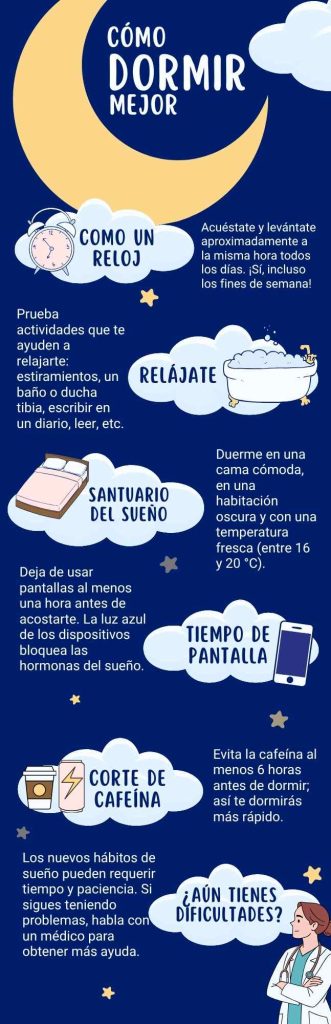
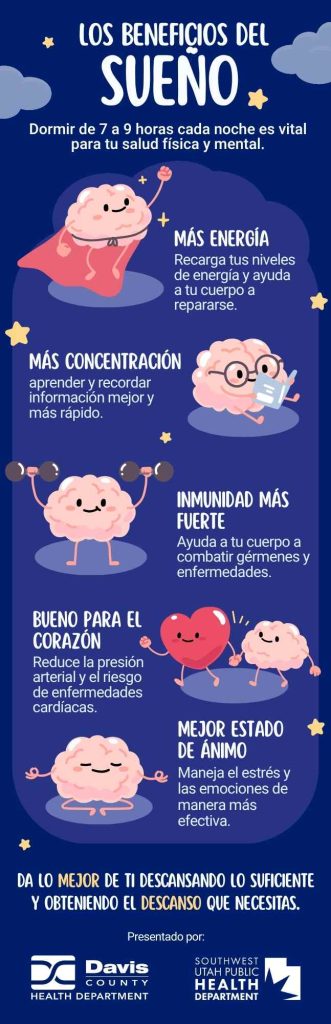
      Spanish (download)

      Provider Resources:

      CBTIweb Online Training

      For mental health providers. Provider-focused, web-based learning course in Cognitive Behavioral Therapy for Insomnia—a free course for providers with low-cost CEs available.

      Cognitive Behavioral Therapy
      for Insomnia (CBT-I)

      Evidence-based Insomnia Interventions for Trauma, Anxiety, Depression, Chronic Pain, & more. Earn up to 19 CE credits included in the course tuition.

      CBT Certification

      One of the most widely recognized and trusted modalities, proven for decades to provide a powerful and versatile framework to keep therapy on track with diverse problems like depression, bipolar disorder, trauma, and more. Earn up to 29 CE credits included in the course tuition.